Highlights of South America, From Lima to Buenos Aires (over Bolivia and Chili)
18 days
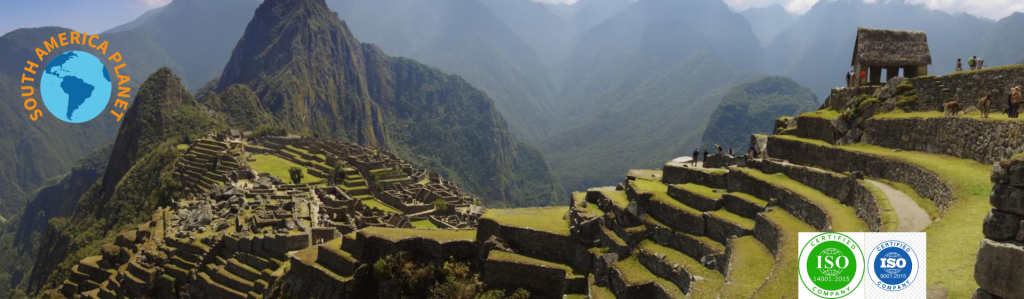
WELCOME TO ANOTHER WORLD
We are your contact in Peru
How do we work?
In our programs, you travel completely independently without a tour guide. We take care of booking all hotels and tours in advance. An English-speaking guide accompanies all excursions to explain the places you visit.
At the airport, someone will be waiting with a sign with your name on it to take you to your first hotel.
If any problems arise, you can always reach us at our offices in Cusco and Lima! During the trip, you will be fully monitored via WhatsApp, and we are always available locally via our emergency number +51 984 577 011.
This trip is suitable for all ages.
Enjoy all this beauty in one complete trip. Your safe journey is our best promotion! We welcome you with open arms to this hospitable country!
Day 1 :: 01/08/2026
-
- GENERAL INFO LIMAday 1/1
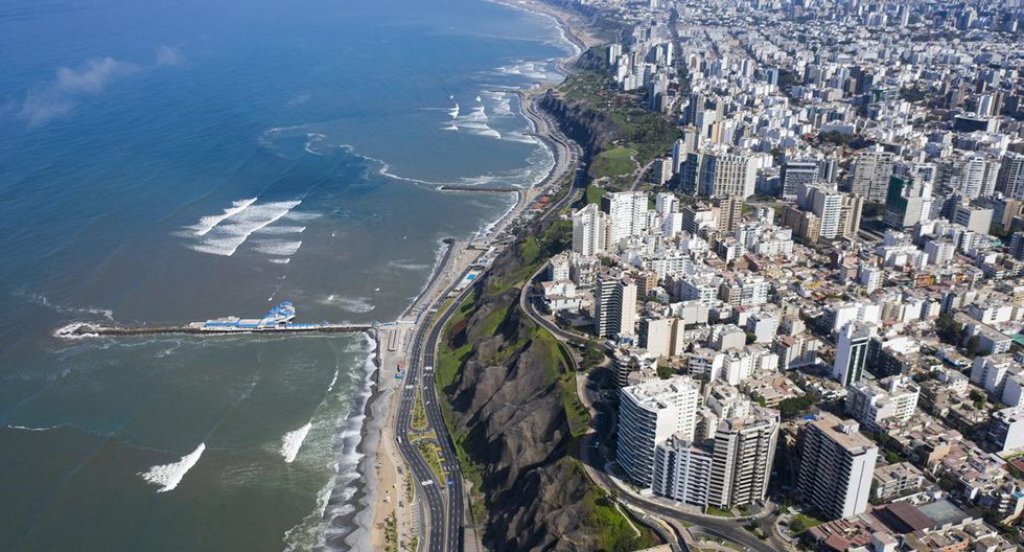
Welcome to Peru! Upon arrival at the airport, look for a sign with your name on it. Make sure to only go with someone who knows both your name and your hotel! Depending on the time of day, it's about a one-hour drive to Miraflores or Barranco.
GENERAL INFORMATION
Lima, also known as the "City of Kings," was founded by Francisco Pizarro on January 18, 1535, on the right bank of the Rímac River due to the excellent strategic and geographic conditions of the valley. The city's name comes from the Quechua word Rímac, which means "talker" in Spanish. Lima grew rapidly amidst the remnants of the ancient cultures that once thrived in the region.
During the Viceroyalty era, between the 16th and 17th centuries, Lima became the most important and powerful metropolis in Spanish America, as well as the cultural and commercial center of the region. It was here that General San Martín proclaimed the independence of Peru.
Today, Lima is a modern city offering a wide range of attractions. Its rich history blends harmoniously with contemporary culture, providing visitors with a unique experience through its museums, historic neighborhoods, restaurants, craft galleries, and vibrant nightlife.
Lima have around 11 million inhabitants and is situated at see level.
-

TRANSFER IN AIRPORT - HOTEL IN MIRAFLORES - Auto
-
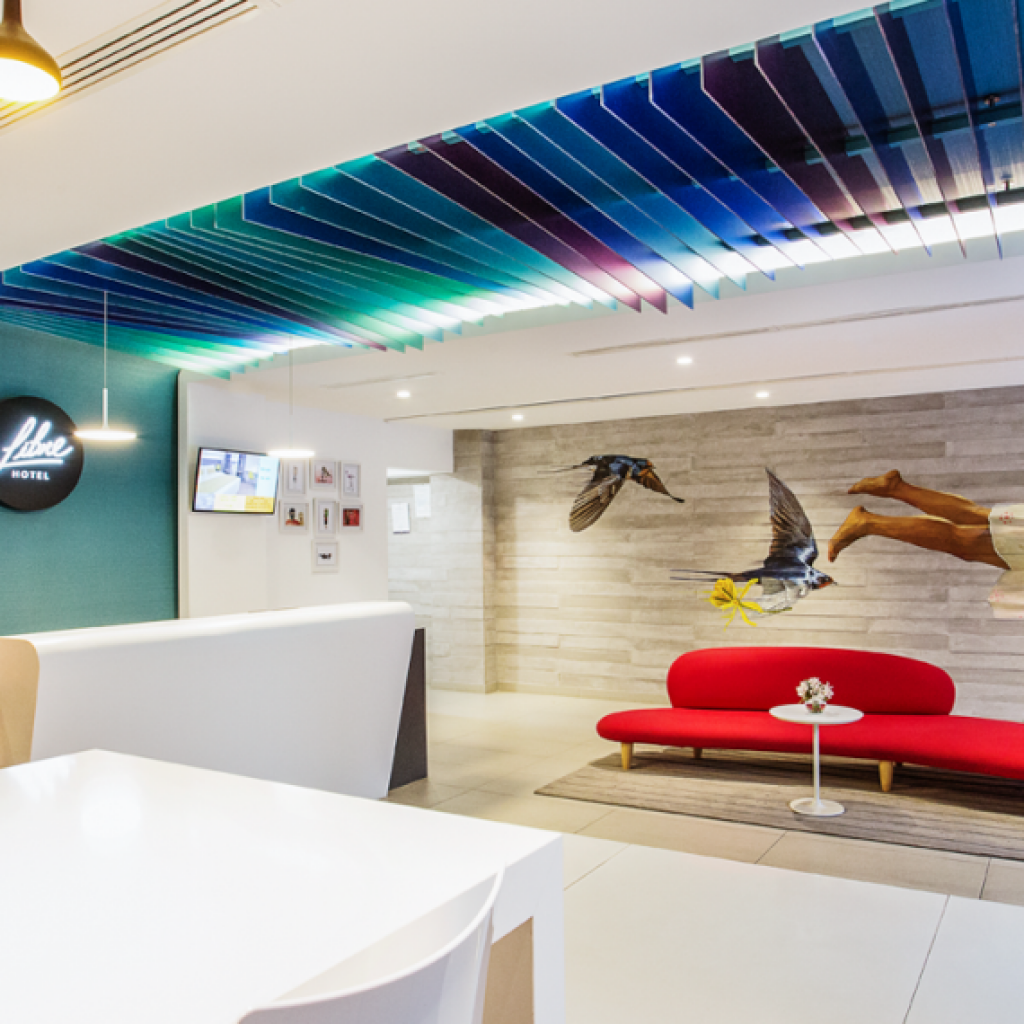
STANDARD DOUBLE ROOM
LIBRE HOTEL - LIMA
Day 2 :: 02/08/2026
-
LC1C - CITY TOUR LIMA - SHARED SERVICEday 1/1
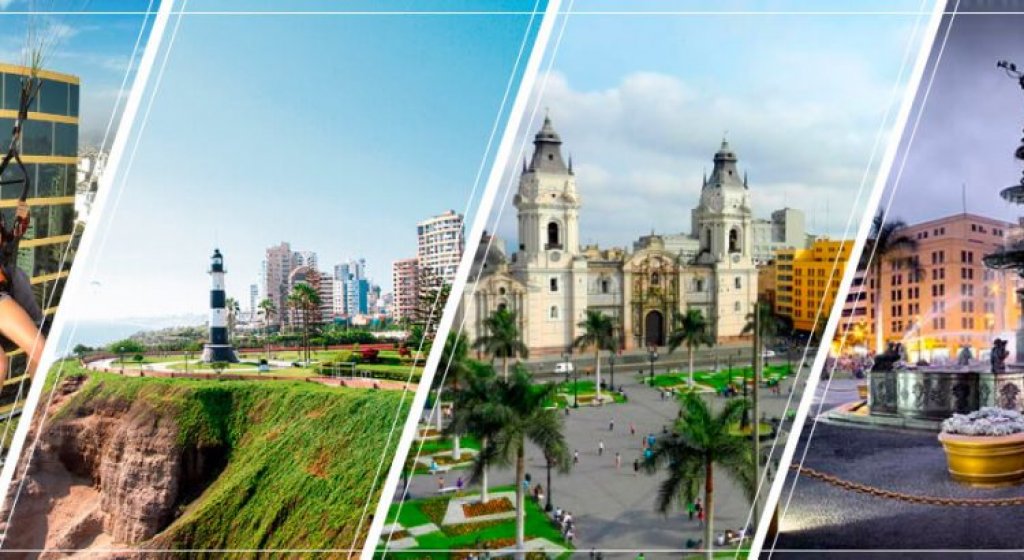
Duration: Approximately 3.5 hours
On our city tour, you will visit the main attractions of both the old and new centers of Lima. Founded in 1535 by Pizarro, Lima is now home to over 11 million people. During this 3.5-hour tour with an English-speaking guide, you will explore Lima's beautiful colonial center, the Plaza de Armas with the Presidential Palace, Plaza San Martín (where we will view the cathedral from the outside), and a monastery with a valuable library. We will also visit Lima's residential areas, showcasing modern architecture and shopping centers. The tour ends with a stunning view of the Pacific Ocean from the unique "Park of Love." The excursion starts and ends at your hotel.
-

TRANSFER FROM CUSCO TO URUBAMBA
-
- GENERAL INFO CUSCOday 1/1
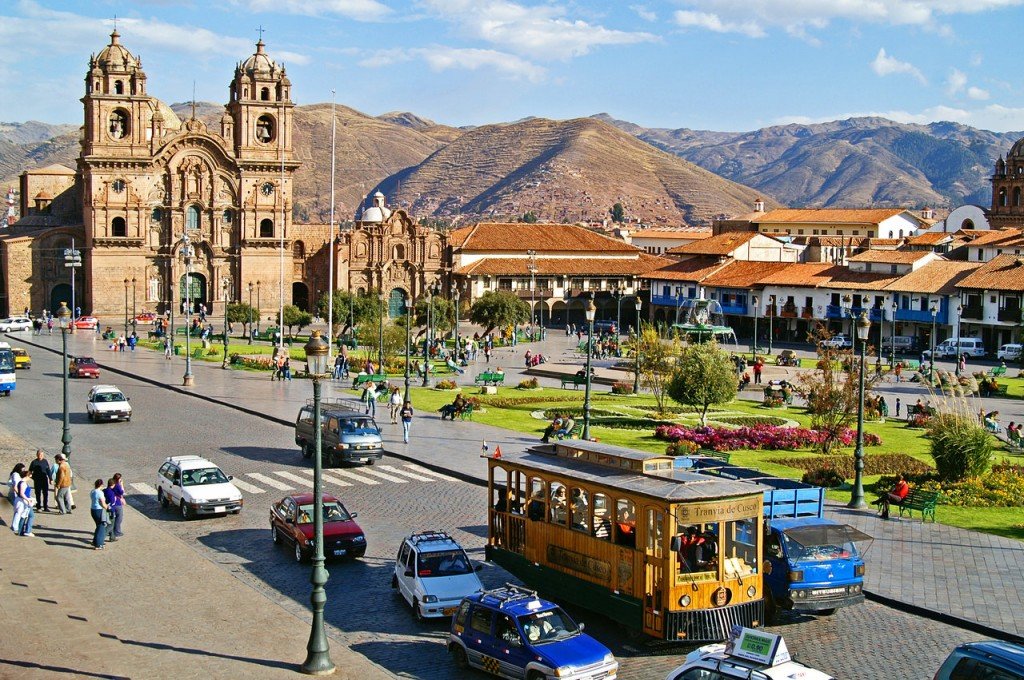
After arriving in Cusco, we’ll drive straight to the Sacred Valley. Since Cusco is located at 3,400 meters and the Sacred Valley is below 3,000 meters, spending the first night there helps us prevent problems related to the altitude.
General Information about Cusco
Cusco, or Qosqo in the Quechua language, is often referred to as "the navel of the world" and was the imperial capital of the Inca Empire. Situated at an altitude of 3300 meters, it is a fascinating city that offers a perfect blend of indigenous traditions and modern influences.From the impressive fort Sacsayhuamán, one of the most iconic Inca structures, the Spanish viewed the city, which was designed in the shape of a puma, the center of the Inca Empire. The most important building was Qoricancha, the Sacred Temple of the Sun, covered with more than 700 gold plates. However, the Inca buildings were destroyed by the Spanish after 1533, who used the stones to build their own churches. The Cathedral and La Compañía de Jesús were constructed on the foundations of ancient temples and palaces.
Cusco is not only the gateway to Machu Picchu and the Sacred Valley, but also offers much to explore on its own. The city is famous for its beautiful Inca walls, with massive granite blocks fitting together perfectly. Cusco is also a UNESCO World Heritage site and offers a rich mix of culture, history, and colonial charm.
Upon arrival, you will immediately notice the thin mountain air, a result of the city's high altitude. It is important to spend the first day resting to acclimate properly. It is recommended to stay in Cusco for at least three days to explore the city and visit nearby Inca ruins such as Sacsayhuamán, Qenko, and Tambomachay.
Cusco also offers a great selection of restaurants, a vibrant nightlife, and numerous souvenir shops. For adventure seekers, there are many activities available, such as rafting, ziplining, mountain biking, and exploring Rainbow Mountain. Cusco is the perfect base for trekking tours and offers something special for every type of traveler.
-
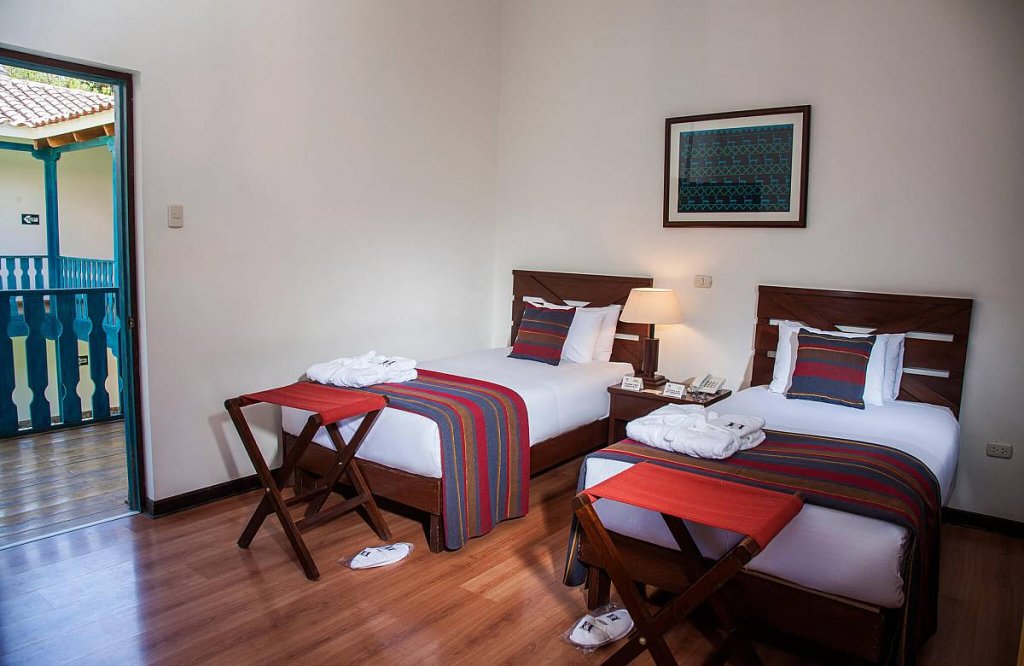
DOBLE ROOM
SAN AGUSTIN URUBAMBA & SPA
Day 3 :: 03/08/2026
-
ZV1P - CLASSIC SACRED VALLEY OF THE INCAS - PRIVATE SERVICEday 1/1
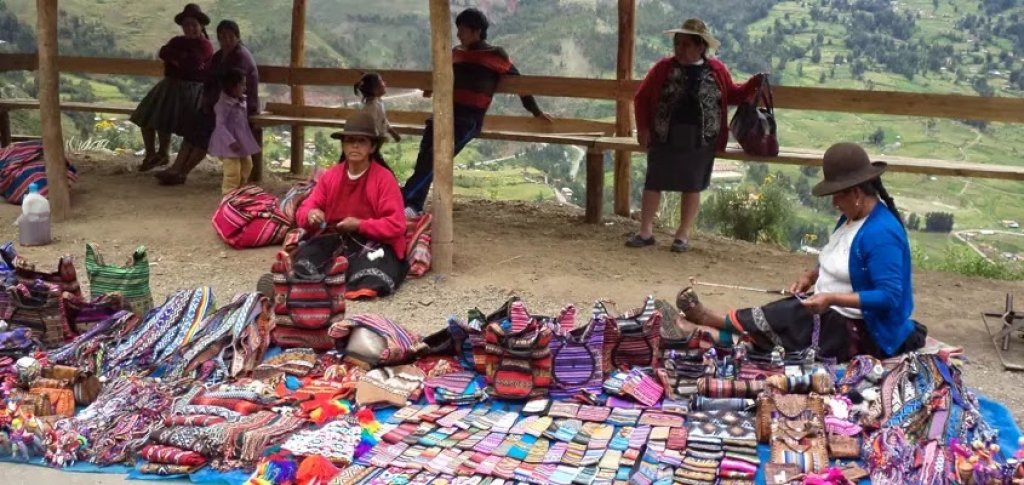
SACRED VALLEY OF THE INCAS IN PRIVATE
An unforgettable experience and archaeological tour
The Sacred Valley of the Incas located near the eastern mountain range of the Peruvian Andes was highly appreciated by the Incas due to the fertility of their lands. The visitor will be able to contemplate the beauty of its landscape and its valuable archaeological sites.
Our excursion presents a guided visit to the following places:
The Pisaq Craft Fair located 33 km from the city of Cusco, entrance to the Sacred Valley of the Incas, famous for its craft fair and it's Sunday mass celebrated in the Quechua language.
Ollantaytambo Archaeological Complex was built during the Inca period as a fortified area that includes temples, platforms and an urban sector. It was an important administrative center that probably also fulfilled military functions, as shown by its walls and towers.
-
DOBLE ROOM
SAN AGUSTIN URUBAMBA & SPA
Day 4 :: 04/08/2026
-

TRANSFER OUT: FROM HOTEL IN URUBAMBA TO OLLANTAYTAMBO TRAIN STATION.
-
ZM1C - ZM1C MACHUPICCHU 1 DAY - SHARE SERVICEday 1/1
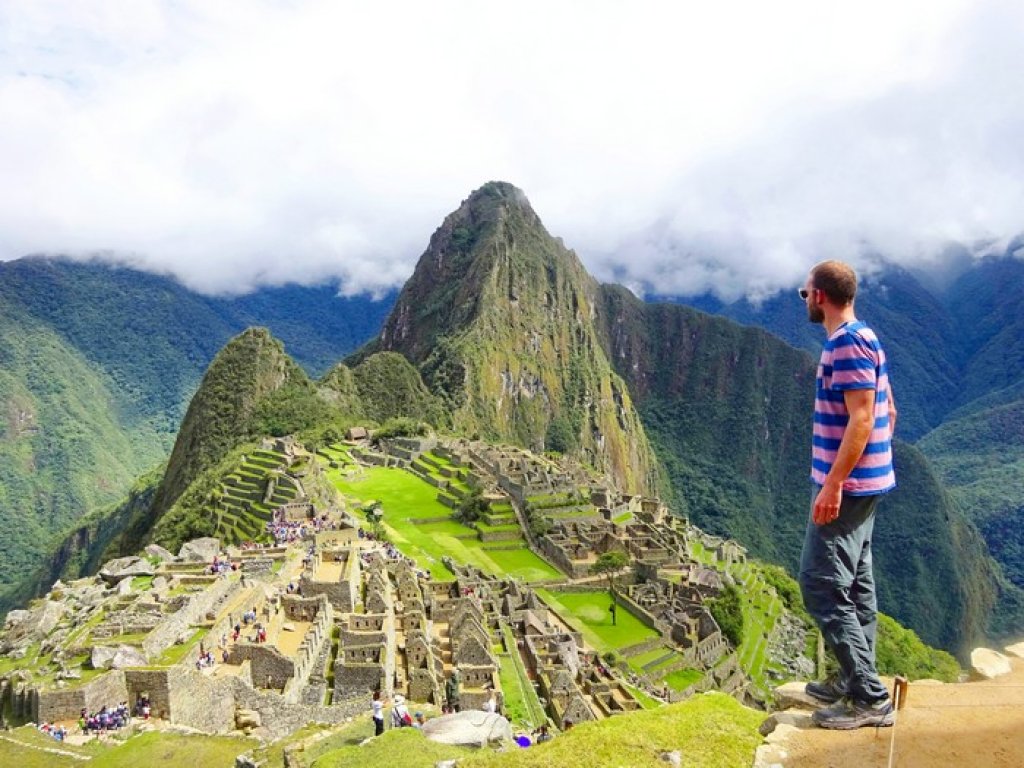
MACHU PICCHU FULL DAY TOUR
Early in the morning, you have a transfer to the train station of Ollantaytambo, to take the train to Machu Picchu. We drive through the sacred village to Aguas Calientes in abou in 1 h 30 min from Ollantaytambo. Here a bus waits for you, to take you in 20 min to the actual site of the “Lost City of the Incas.” Machu Picchu. Your bilingual guide will take you throughout the vast ruins. Machu Picchu is the best known of the Inca ruins, as it is recognized worldwide, yet it is not mentioned in any of the writings of the Spanish Conquistadors. It is believed to have been constructed around the mid-15th century and was “rediscovered” by American historian Hiram Bingham in 1911. The guided tour of this fascinating place is an awe-inspiring experience. Visit the Main parts of Machu Picchu. After the explanation (about 2 hours) in total you can stay 4 h maxima at Machu Picchu.
We are going to visit one of these circuits, Click Here for new rules and Citcuits from June 1 -2024
Included is the standard ticket, without Huayna or Machu Picchu mountain
NOTE: Keep in mind that if you want a Huayna Picchu permit you need to book far in advance (limited seats) and in this circuit you will only see a small part of Machu Picchu (only the lower part).
Casa del Guardián (guardian house) can only be visited in circuit with Machu Picchu mountain permit. The sun gate is only accessible to people on the Inca Trail 2 and 4 days.
After you are done exploring Machu Picchu you can walk down, or take the bus (included in the price) to Aguas Calientes to have lunch (not included).
In the afternoon you will take the train back to Ollantaytambo or Poroy, from where there will be a transfer to Cusco, where you will arrive late evening
-

TRANSPORT OLLANTAYTAMBO- CUSCO
-
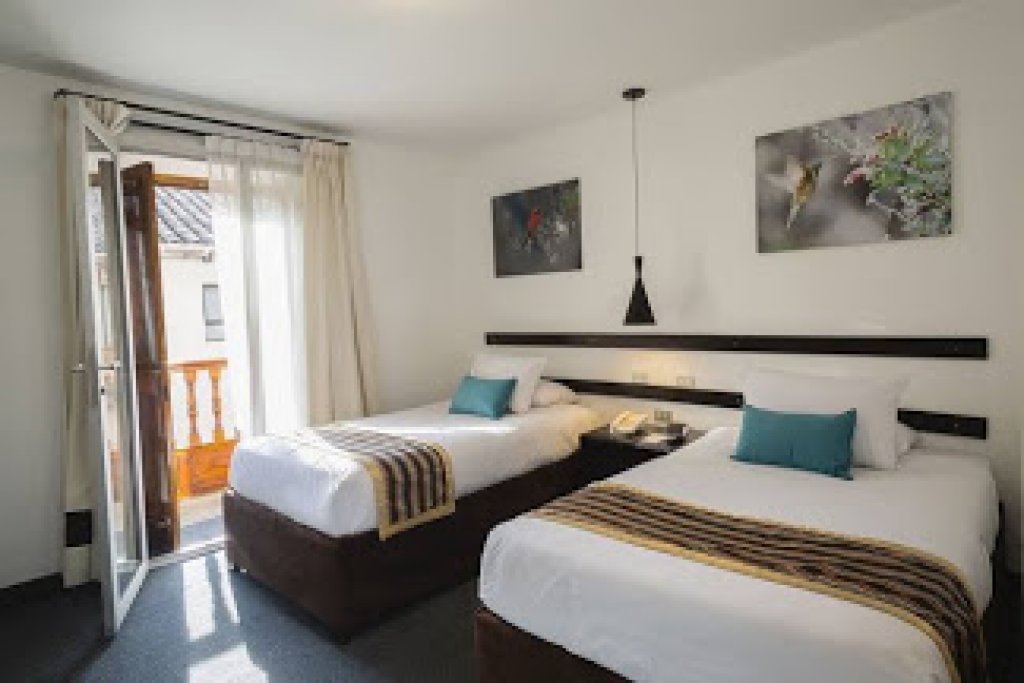
DOUBLE STANDARD ROOM
HOTEL SACHA
Day 5 :: 05/08/2026
-
ZC1C - CUSCO CITY TOUR HALF DAY IN SHARED SERVICEday 1/1
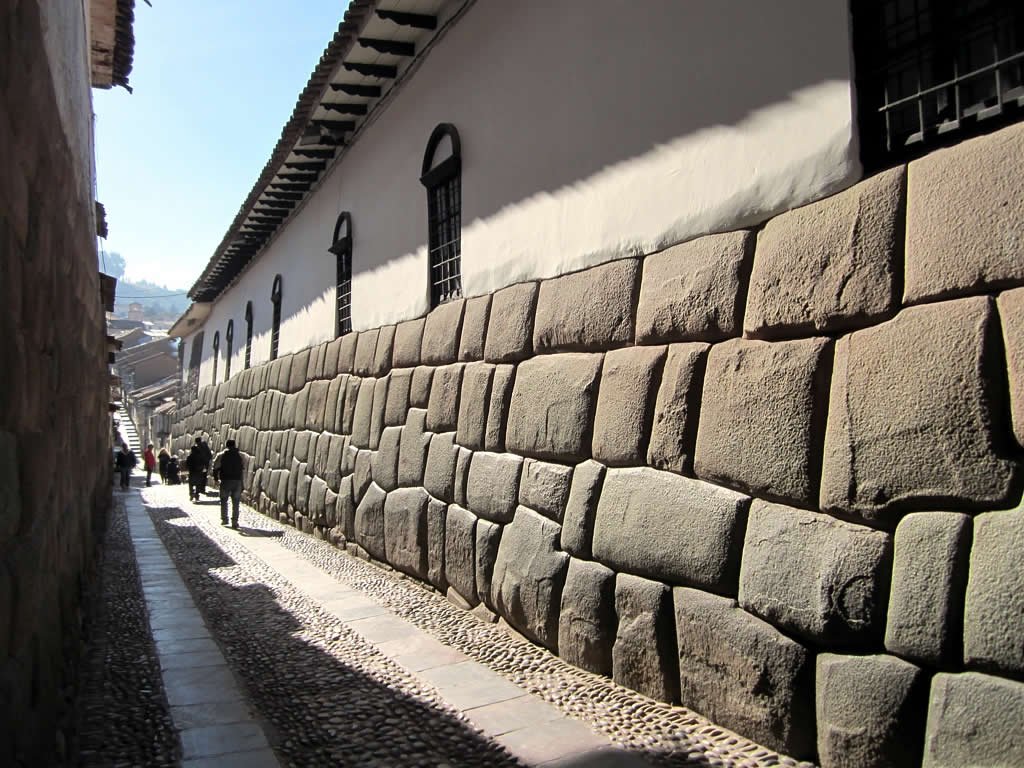
CUSCO CITY TOUR HALF DAY
Duration: 4.30 hrs approx.
This fabulous half day tour takes you around all the most important sites of Cusco. The first is the Cathedral, whose foundation stone was laid on site in 1560. This marvel of religious art has approximately 300 paintings of the Cusco School, among many other expressions of art. Then visit the temple of "Koricancha" (Temple of the Sun), now the Convent of Santo Domingo, a place that houses inside one of the most important religious center of the Inca period. This archaeological site is located in the heart of the city of Cusco (Cuzco), only 4 blocks from the Plaza de Armas. This part you do on foot, because buses are not allowed in the city center. Then we moves by bus to the outskirts of the city to visit in the first place, the magnificent Sacsayhuaman. The last interpretation refers to the belief that the city of Cusco was set out in the form of a puma whose head was the hill of Sacsayhuaman. The origins are uncertain but the fortress is generally attributed to the period of Inca Pachacuti, the man who essentially founded the Inca empire. Just 200 meters from Sacsayhuaman is our next destination Q'enqo (Labyrinth or Zigzag). Our next visit is Puca Pucara (Red Fort) was used as a center for military use and control. Our last destination, is Tambomachay (Cavern Lodge) great size has two important channels ritual. At the end, return to Cusco . The tour you can do in the morning or afternoon. This tour is a Shared tour
-
DOUBLE STANDARD ROOM
HOTEL SACHA
Day 6 :: 06/08/2026
-
TRANSFER FROM HOTEL TO AIRPORT
-

TRANSFER
-
- INFO LA PAZday 1/1
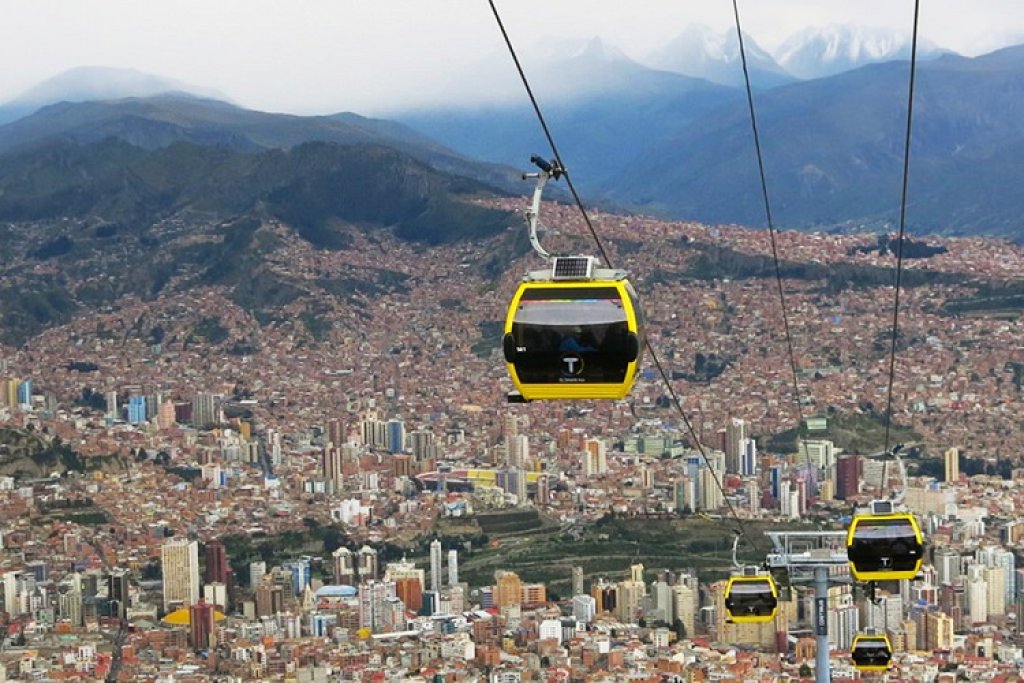
GENERAL INFORMATION LA PAZ /Bolivia’s main international airport can be found here and La Paz is well located to make it a base from which to explore Bolivia’s main tourist attractions such as Lake Titicaca, Tiahuanaco, Oruro, Coroico and the northern lowlands. La Paz must qualify as one of the world’s most dramatically located cities. It lies sheltered from cold winds within a steep canyon just below the rim of the Altiplano. The city’s skyline is dominated with huge office blocks and the snow-covered peaks of Mount Illamani (6439m). La Paz was founded by the Spanish on 20 October 1548 under the name of La Ciudad de Nuestra Señora de La Paz (The City of Our Lady of Peace). With a population of nearly 1.5 million inhabitants, La Paz is now a modern city with few colonial buildings left except around Plaza Murillo, which at 3636 m above sea level, marks the very heart of the city where the government buildings and the cathedral can be found. The sprawling town of El Alto (4082m) is the city’s poor relation and sits on the rim of the Altiplano exposed to the icy winds. This rapidly expanding district comprises almost entirely immigrants from the countryside. The average daily temperature in winter is 10°C (59F) and 22°C in summer. The nights throughout the year are cold. From December to February rain falls most afternoons but the sun usually shines for several hours. La Paz is 1 big market ,one of the famous ones is the witches market .
-
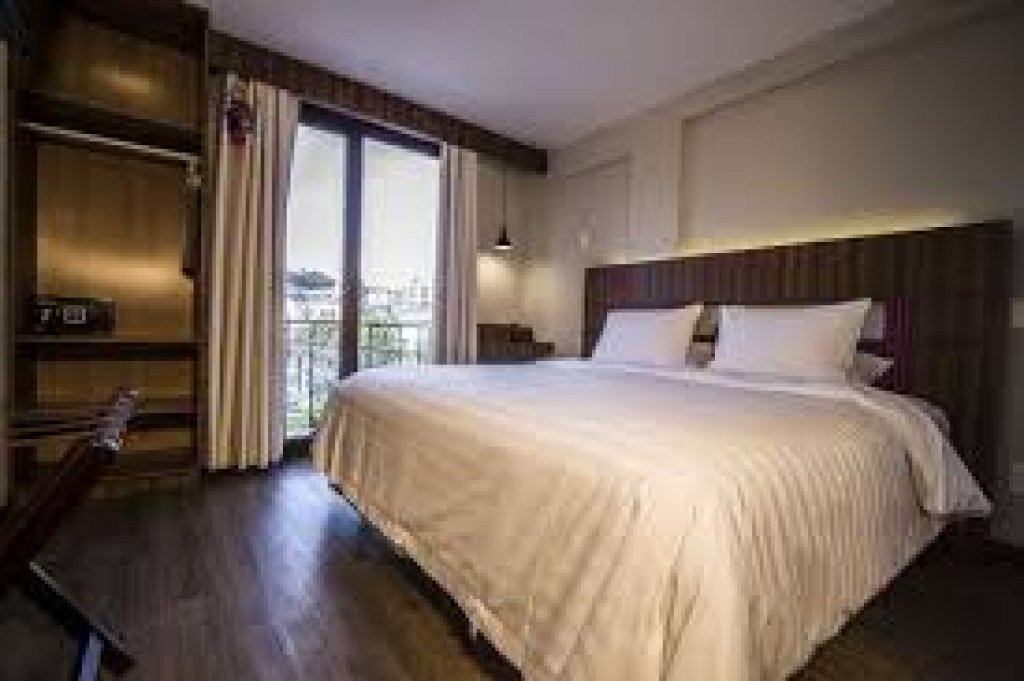
STANDARD TWIN ROOM
DREAM BY STANNUM - LA PAZ
Day 7 :: 08/08/2026
-
- City tour in La Paz + Cable car – Moon valley- Privateday 1/1
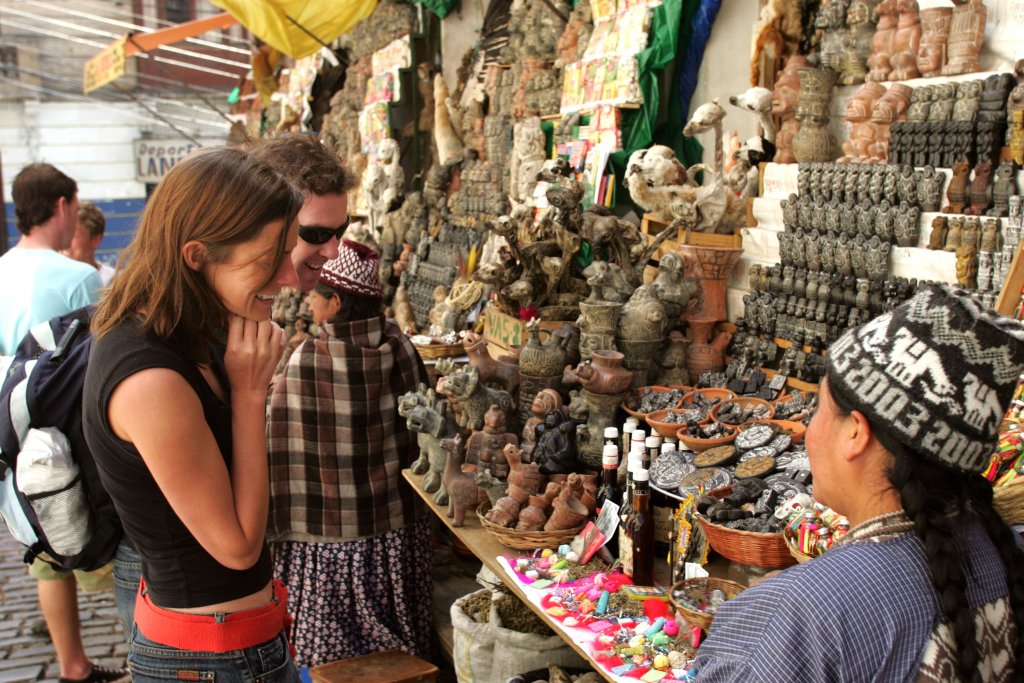
The tour start from your hotel,here the guide will explain the topography of the city . Then you will arrive to the main square of La Paz, Murillo Square where you will see the metropolitan cathedral, government palace and the constituent assembly palace, you can also see how La Paz people enjoy this square. Traveling to the amazing valley of the moon you will see the replica of the Tiwanaku semi-suburban temple that is in front of the city stadium. You will arrive to the valley of the moon a place where you will walk between impressive geological formations and natural mazes that seem from another world.
The yellow line cable car is the next stop on your tour. The bus will leave you at Libertador station and you will make an aerial crossing to find the secrets of the city from the air, you will see the snowy mountain called Illimani that is guardian of the city, and the station of Sopocachi will arrive to get on the bus Towards the native center of the city.
The witch market is a place full of traditions and objects to make Andean ancestral rituals. The Pachamama is very important for the inhabitants of La Paz.
You will descend through the steep streets of the city surrounded by colorful handicrafts until you reach the Church of San Francisco,.The tour ends is this sector where you can continue shopping, visit the Church and feel the beat of this city of charm, the city of La Paz.
-
STANDARD TWIN ROOM
DREAM BY STANNUM - LA PAZ
Day 8 :: 09/08/2026
-
TRANSFER
-
- 3 DAYS UYUNI SALTFLATS AND LAGUNES JEEP TOUR BOLIVIA in shared jeepday 1/3
Transfer in Uyuni from airport
Uyuni Salt lakes 3 days tour
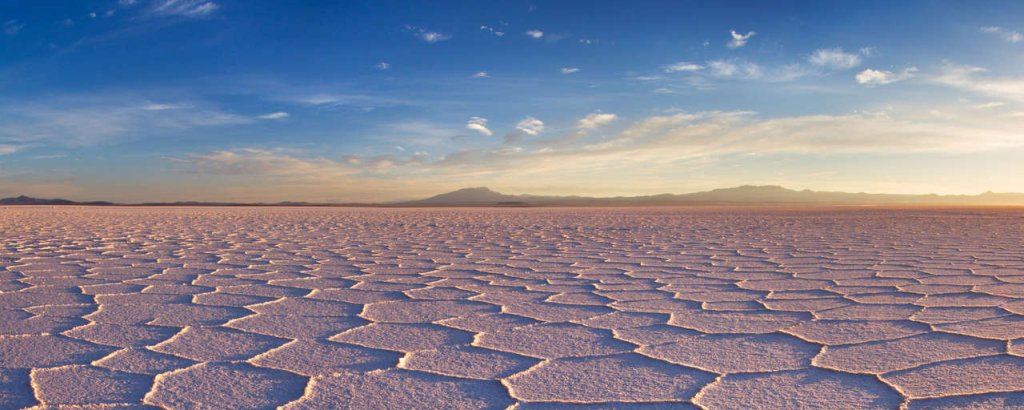
Salar de Uyuni (or Salar de Tunupa) is the world’s largest salt flat, or playa, at over 10,000 square kilometers (3,900 sq mi) in area. It is located in the Potosí province in southwest Bolivia, near the crest of the Andes at an elevation of 3,656 meters (11,995 ft) above sea level.
The Salar was formed as a result of transformations between several prehistoric lakes. It is covered by a few meters of salt crust, which has an extraordinary flatness with the average elevation variations within one meter over the entire area of the Salar. The crust serves as a source of salt and covers a pool of brine, which is exceptionally rich in lithium. It contains 50% to 70% of the world’s known lithium reserves. The large area, clear skies, and exceptional flatness of the surface make the Salar ideal for calibrating the altimeters of Earth observation satellites. Following rain, a thin layer of dead calm water transforms the flat into the world’s largest mirror, 129 kilometers (80 miles) across.
Day 1: Saltlakes Uyuni
Depart from Uyuni around 10 a.m. first, we go to the train cemetery, with all the old trains. Then we will continue to Colchani, we will drive in our 4*4 jeep. We will visit the Salt factory where they put Iodine to the salt, everything is manual. The salt workers sell souvenirs made of salt. After this visit we continue to the biggest salt field in the world with a surface area of more than 12.000 km of the thin exciting salt crust is as blinding white as the most perfect snowfield, and as a gigantic mirror in the rain season. We will venture across the Salar of Uyuni. We will be driving in the middle of this immense desert of salt. It provokes a sentiment and unreality. Enjoy the jeep ride over the salt. This place is almost 1/3 of the size of Belgium. At the border of the salar we will visit the salt eyes, salt blocks, and salt hotel. We will arrive at the Salt Hotel, an unusual hotel is constructed entirely of salt blocks, chairs, tables, and beds are also made of salt. At an altitude of 3665 meters. Along with the Chinese Wall, it is possible to see the salt flats from satellites. The salt varies from 2 to 20m. in depth. It is estimated that the flats contain 64.000 million tons of salt. The flats also contain a large reserve of Lithium, Mg, Na, Bo. We continue our trip to the Fish Island INCA WASI, this is located in the middle of the salt flats at 100 km from Uyuni, Fish Island (Isla Pescado) afford views of the flats reminiscent of the Polar region, dominated by blues and whites producing images of hills.
Fish Island is an oasis with a unique and isolated ecosystem populated by cactus up to 8 to 10 meters high. Photographers will find that fish island is one of the best sites in the world to indulge in their passion. The Island has the shape of a fish. Lunch at the island. It is full of giant cactus who give an extraordinary contrast with the salt. This island is a research center and protected. 30 bolivianos entrée. After this visit, we will continue to our basic hostal ( in shared service ) private basic room with bathroom ( no heating )
Day 2 Lagunas
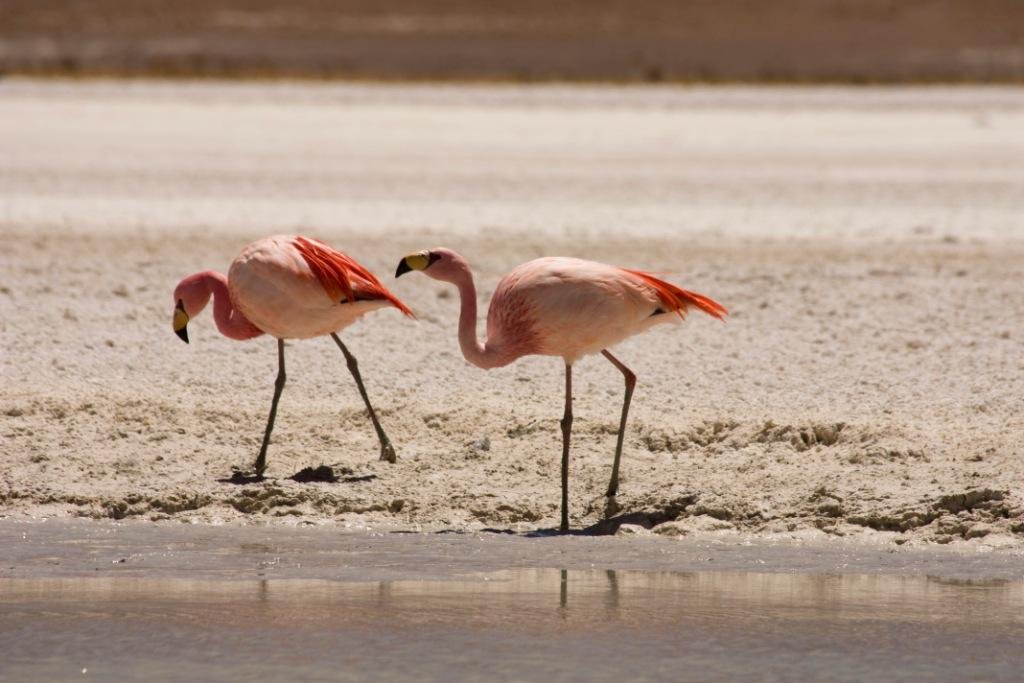
We will depart very early after our breakfast around 8.30 AM and drive first along the hard lava from the Ollagüe volcano. Then we will continue and pass by 5 amazing beautiful lagoons: Laguna Canapa, Hedionda, Chiarcota, Ramaditas, and Honda. We will see 3 different species of flamingo’s James, Andean, and the Chilean flamingo. The Lagunas have fantastic colors created from minerals. Afterward, we will pass by the famous rock tree. We will arrive around 4 p.m. to Laguna Colorada, where we will take our diner and where we sleep very basic. In Basic private room with basic private bathroom. ( no heating )
This night it can be very cold because we will be sleeping at 4000 meters of altitude!
Day 3 to San Pedro
We will wake up very early, and after our breakfast, we will leave around 5.30 a.m. with our jeeps to this is a volcanic geyser, then we will drive to the hot spring where we can warm up!
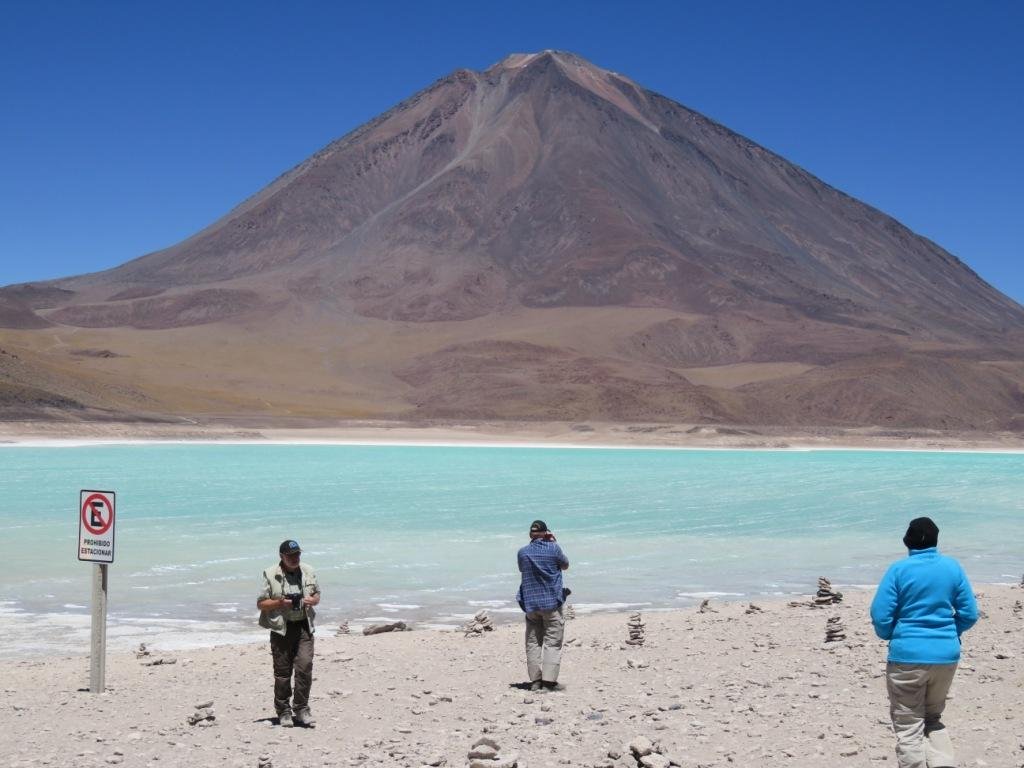
Then we will pass through the valley of Salvador Dali, and we will arrive at Laguna Verde to see the lagoon change color.
From here you continue to the border of Chile and further to San Pedro de Atacama where the trip will finish. Here you change transport and drive to San Pedro de Atacama.
Day 9 :: 10/08/2026
Day 10 :: 11/08/2026
-

SHARED TRANSPORT FROM BORDER BOLIVIA TO SAN PEDREO DE ATACAMA
-
- VALLE DE LA LUNA - MOON VALLEY from San Pedro de Atacama in shared groupday 1/1
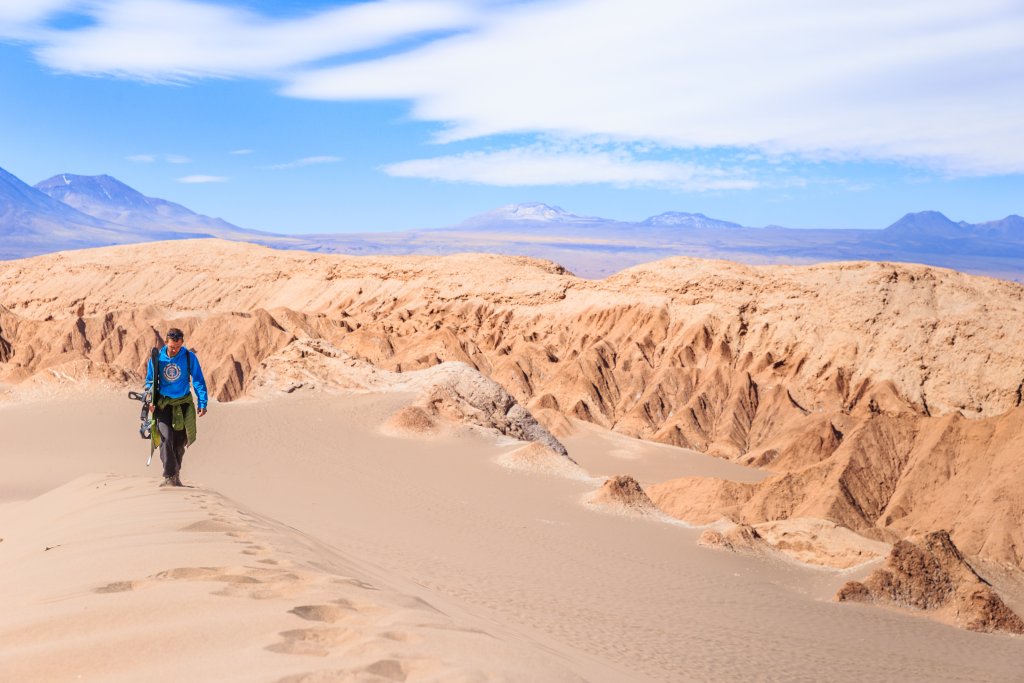
On your visit to the driest desert in the world,you cannot miss the opportunity to see the geologically spectacular Moon Valley.
We will meet at the indicated time in the center of San Pedro de Atacama and, from there, we will travel west.
A couple of kilometers outside of San Pedro de Atacama, between the jagged rocks and unusual shapes of the Cordillera de la Sal (Salt Mountains), we find the Valle de la Luna (Moon Valley), a geological wonder of the Los Flamencos National Reserve. During the tour, you can take in the extraordinary shapes of the landscape, which will make you feel as if you were walking on the moon. During the afternoon, you can enjoy the unbeatable views of the Andes and its volcanoes. As dusk falls you will be overwhelmed by the red and golden colors of the desert sky. All this results in a simply unforgettable tour.
During our visit to the Moon Valley, the Mirador de Kari, also known as the Coyote's Stone, will offer stunning panoramic views. Indeed, you'll feel like you've stepped into space since the landscapes here bear a striking resemblance to the moon.
En route, we'll encounter the geological formation known as Las Tres Marías. A stop before the iconic Duna Mayor, a colossal sand mound that dominates the vast arid expanse of Moon Valley, will give you the perfect opportunity to capture stunning photos of the Atacama Desert.
- Half day TOUR
- MAXIMUM ALTITUDE Approximately ↑ 2,620 meters above sea level
- DURATION 4h - 4h 30m
- START 3:00 PM
-
- INFO SAN PEDRO DE ATACAMAday 1/1
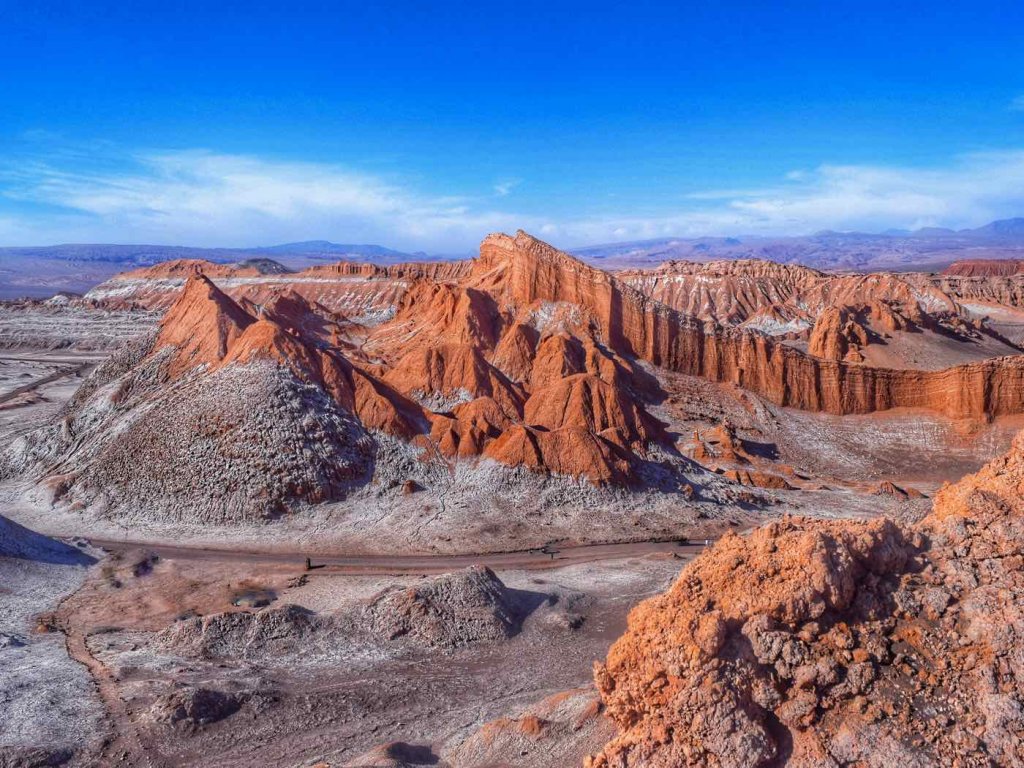
In the north of Chile, 98 kilometers from Calama, a small adobe and peaceful village welcomes tourists from around the world: is San Pedro de Atacama. I invite you to explore it together starting from Caracoles Street, a temptation of delicious restaurants and endless panoramas that tourist agencies have prepared for the demanding and varied guests.
There is so much to visit in this magical town, that’s for sure! However, I propose to go a little further, just two kilometers west and travel together to Mars. Yes, Mars, The red planet lives in a valley of incredible rock formations and salt that in the 50s and 60s were the fascination of researcher and Jesuit priest Gustavo Le Paige. “Valley of Mars,” said the priest. “Death Valley” baptized the locals the most inhospitable place on Earth, name that remains until today.
-
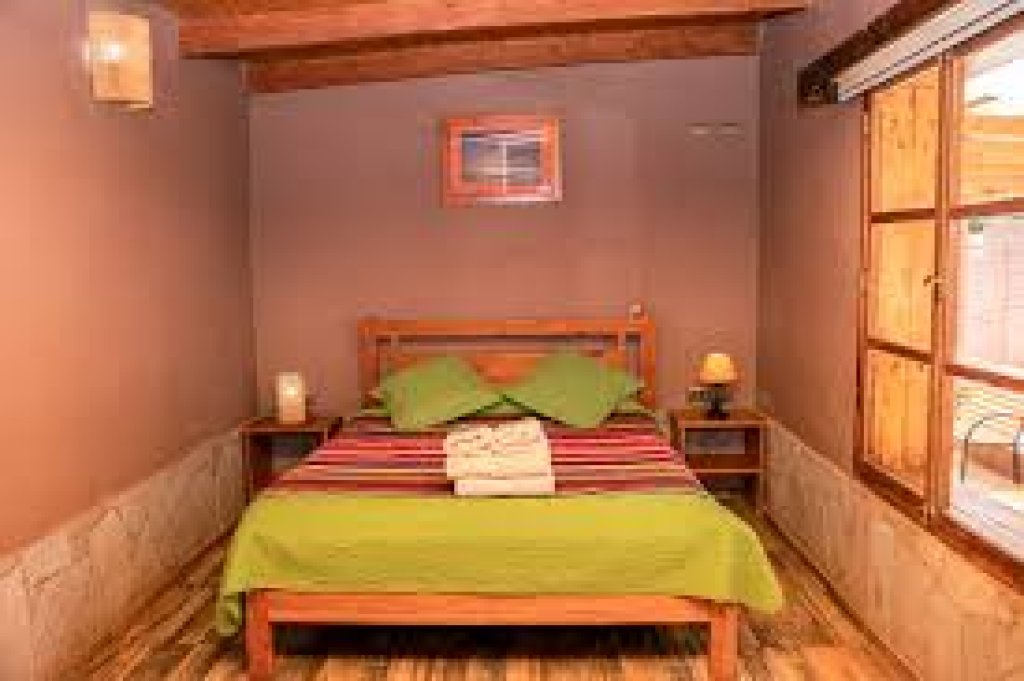
DOBLE ROOM
HOTEL DUNAS
Day 11 :: 12/08/2026
-

LOCAL BUSTICKETS FROM SAN PEDRO TO SALTA
-
- INFO SALTAday 1/1
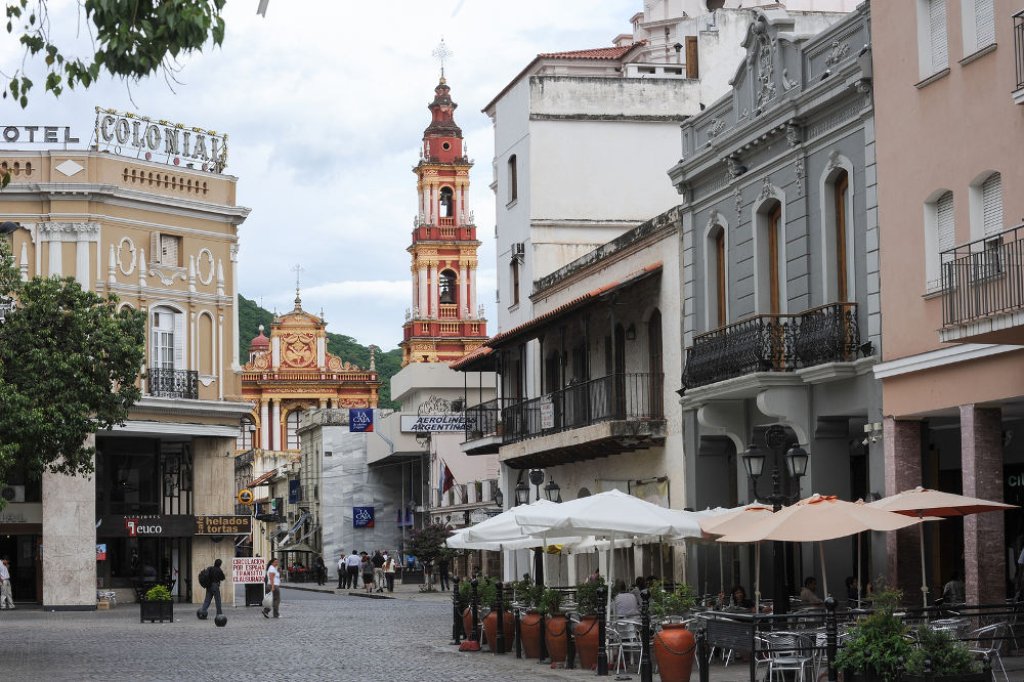
Today you walk or talk a taxi on your own, to the busterminal. We have a long but amazing bus ride from San pedro de atacama to Salta. Around 11 h Bus. Take some food with you !
Salta is a city in the northwest of Argentina and is the capital of the province of the same name. The city lies against the Andes Mountains. There were 608,400 inhabitants in 2015, making it the sixth largest city in the country. The city is located in the lerma valley at an altitude of 1,152 meters. The climate is warm and dry with an average temperature of 16.4 ° C (20.4 ° C in the summer, 10.8 ° C in the winter). January and February are the months with the most rainfall. The city is nicknamed "la Linda" or "the fair" and is visited annually by many tens of thousands of tourists, attracted by the impressive colonial buildings such as the 18th-century Cabildo, the cathedral, and the Plaza 9 de Julio city park. There are several museums, including the museo alta montana, which houses three Inca children's bodies found in the vicinity of Mount Llullaillaco. Salta is also the starting point of the tren de las nubes, the Train to the Clouds with important tourist destinations. This is a 172 km train ride that leads to the highest point at 4220 m. The ride takes almost nine hours (it often does not run)
-
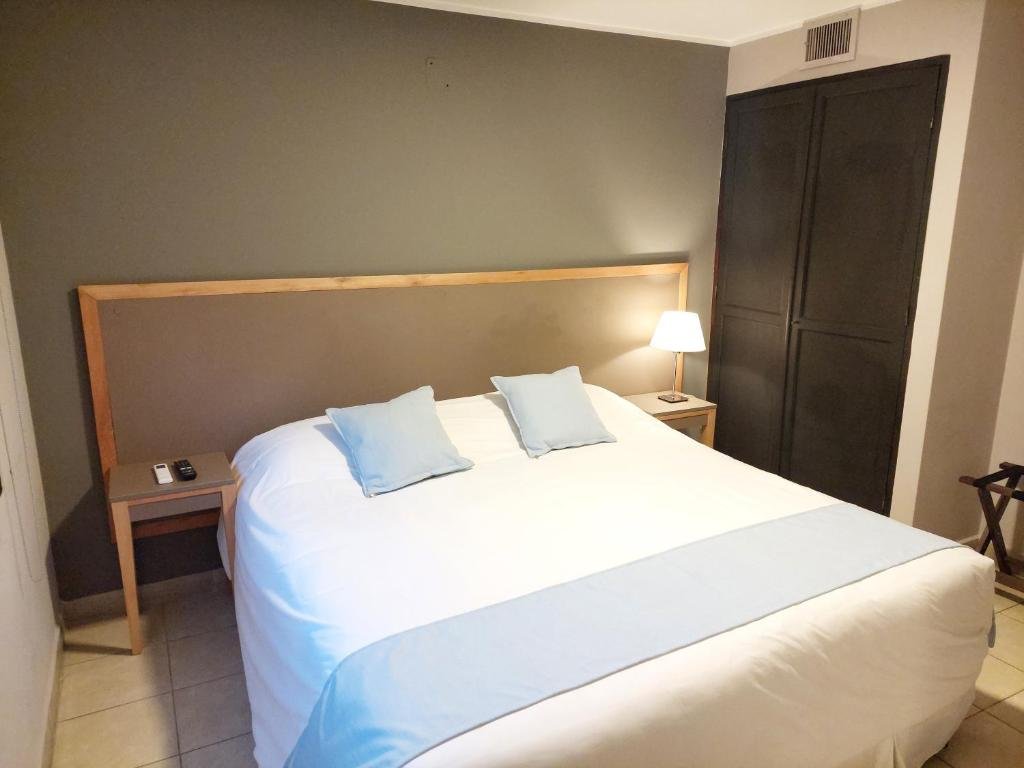
Double room
posadadelmarques Salta
Day 12 :: 13/08/2026
-
- TOUR THROUGH THE HEIGHTS + QUEBRADA DE HUMAHUACA WITH HORNOCAL 2 DAYSday 1/2
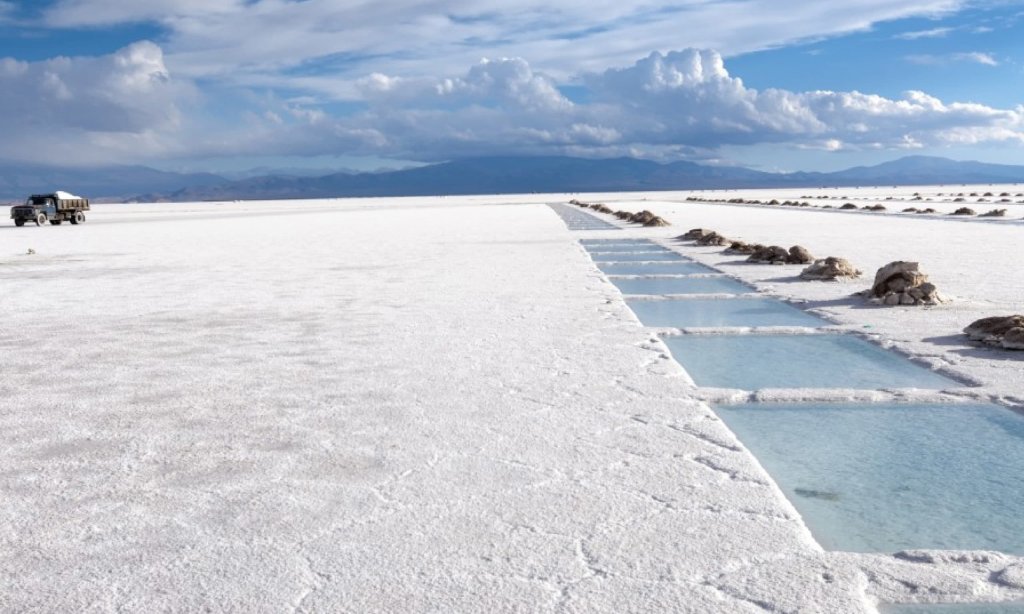
A splendid panorama of the Argentine Northwest in a two-day excursion, which recovers a diversity wonderful landscaping. It starts from Salta and the action begins in the ravine of the Toro river, where the branch
C-14 railway adds attractions to the natural beauty.
You pass through the ruins of Tastil, an important pre-Inca city, and after reaching 4080 meters above sea level in the Abra Blanca, the Puna is seen for the first time, with the city of San Antonio de los Cobres nearby. There is lunch, and later, by the old layout of the RN 40 (gravel road), it departs towards the Salinas Grandes, which are distributed Between Salta and Jujuy. After being dazzled by this endless white world, you take RN 52, you reach 4170 masl in Alto El Morado and descends towards the Quebrada de Humahuaca by the Cuesta de Lipán, to arrive in Purmamarca in the afternoon, where there is time to explore and buy handicrafts in the market from the square. Night in Purmamarca.
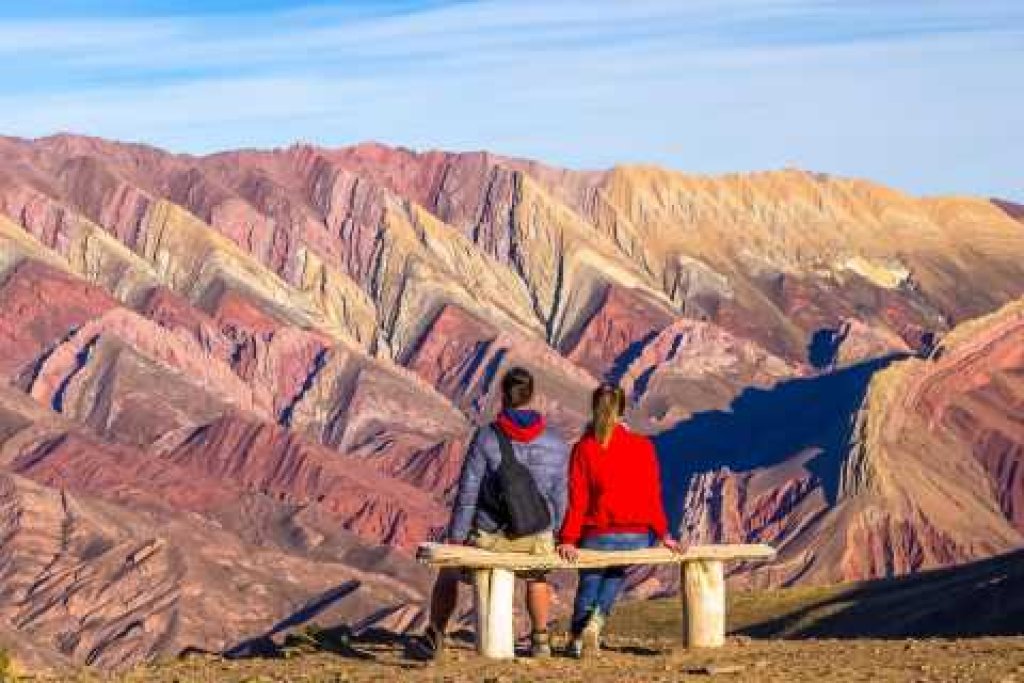
In the morning, before leaving for Tilcara, is the best time to take photos of the Hill of Seven Colors. Once in Tilcara, visit the Pucará, a recognized archaeological site built around the 8th century. On the road again the maginary line of the Tropic of Capricorn is crossed and the vision of hills of multiple colors is enjoyed, like La Pollera de la Coya and Las Señoritas.
The city of Humahuaca is left to one side to face the incredible mountain range of El Hornocal, also called Cerro de los 14 Colores, whose viewpoint is at 4350 meters above sea level. On the way back we have lunch in Humahuaca and tour the historic center, where the Cathedral, the Cabildo and the Monument to Independence stand out, Also called El Indio. On the way back to Salta, a stop is made at the Uquía chapel (the oldest in the Quebrada, with notable samples of Cuzco art) and the afternoon sun offers beautiful views of the hills located on the cordon oriental, especially the Painter's Palette, which frames the town of Maimará. Ending in Salta
-
- Purmamarca Descriptionday 1/1
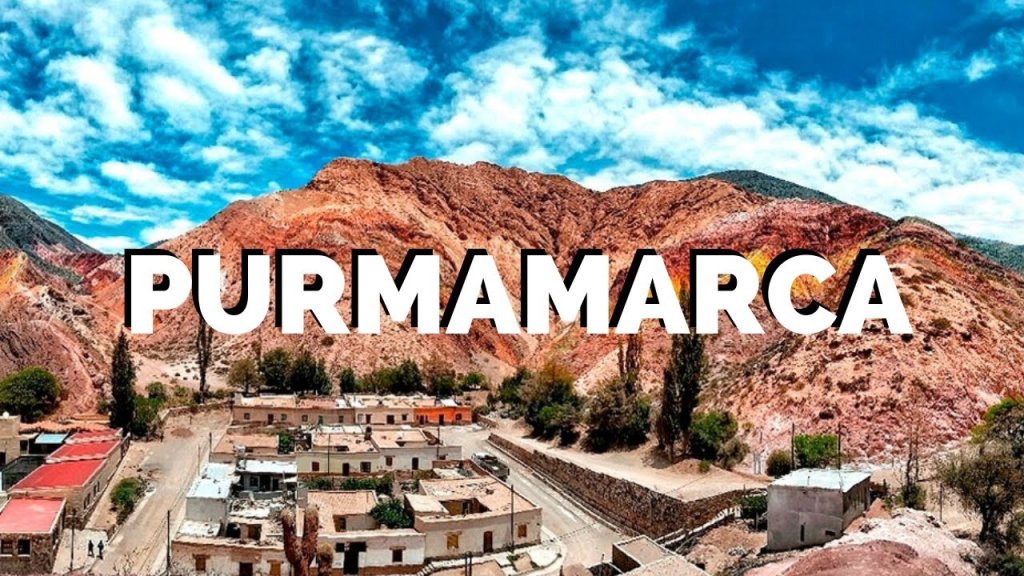
Purmamarca is situated in the famous Quebrada de Humahuaca (Humahuaca Gorge) and gives a beautiful view on the Seven Colors Hill. The picturesque layout of its streets is centered on the main church, which was built in 1648. The same as with other villages in the region, the houses in Purmamarca are of adobe; earth, clay and straw mixed, a technology passed down through the generations. The main church has currently been noted as National Monument, as it has a particular architecture as well as valuable paintings and images of Cuzco. Enjoy the friendliness of the locals, the delicacies, the crafts fair with regional products and the beautiful colors of the surroundings!
-
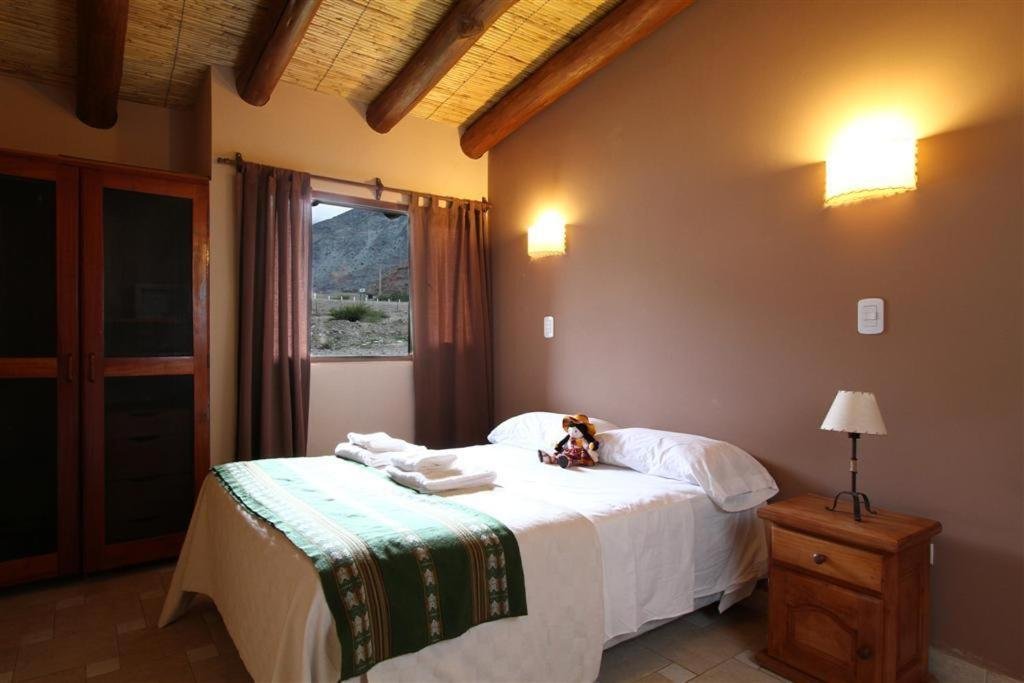
DOBLE ROOM
Cabañas Mirador del VIRREY
Day 13 :: 14/08/2026
-
Double room
posadadelmarques Salta
Day 14 :: 15/08/2026
-
- GENERAL INFORMACION IGUAZUday 1/1
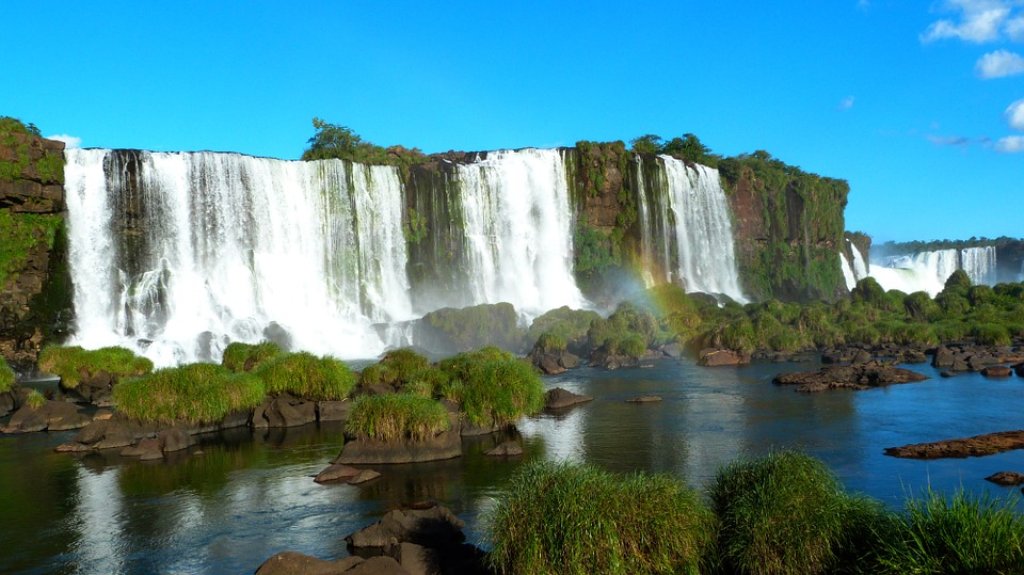
Today transfer to the airport in Salta , we fly to Iguazu
Transsfer in Iguazu.
INFO Iguazu Description
Puerto Iguazú is famous for its very impressive waterfalls, which are situated on the border of Brazil and Argentina. The waterfalls are the widest of the world, with up to 160 to 260 (depending on the water level, which can vary) big and small waterfalls with a total width of 2.700 meters. If you are standing on the banks of the river crossing of the Paraná and Iguazú Rivers, you can even see the coastlines of Brazil and Paraguay and, if you have enough time, you may even visit these two countries by boat!
-
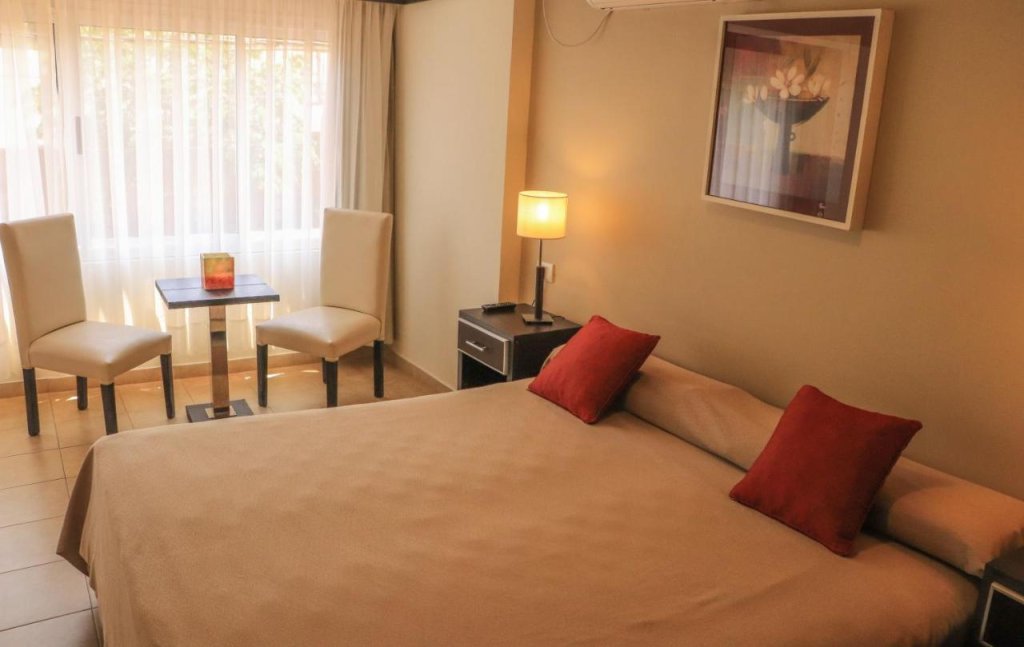
DOBLE ROOM
Jardín de Iguazú Hotel
Day 15 :: 16/08/2026
-
- Iguazu - Full Day Argentinean Falls - Iguazú National Park in Shared serviceday 1/1
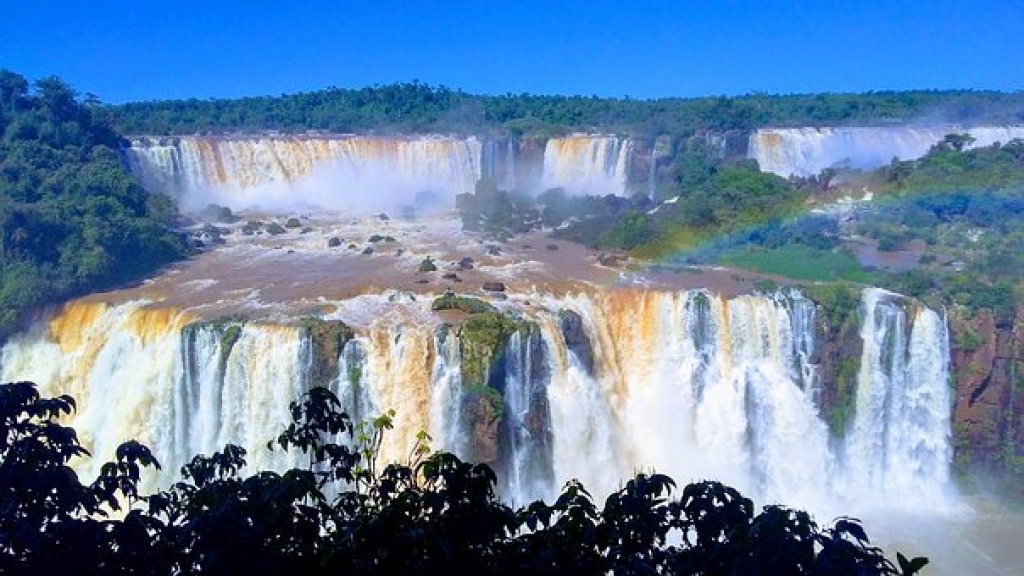
You will be picked up from your hotel early in the morning for a full day tour of the Argentinean side of the Iguazú falls. A professional guide will tell you all about the history, flora and fauna of the National Park and the waterfalls. Experience the imposing views and sounds of the waterfalls, located in the midst of 890 square miles of nature reserve. The National Park has easily walkable footpaths which will give you spectacular views of the numerous waterfalls. Via the Upper and Lower Circuit you will have on a nice walk along the waterfalls and as your last stop the spectacular Devil´s Throat Waterfall. Marvel at the mesmerizing water flow; a spectacular sight!
-
DOBLE ROOM
Jardín de Iguazú Hotel
Day 16 :: 17/08/2026
-
- IGUAZU- FALLS BRAZIL SIDE - Half day in Shared serviceday 1/1
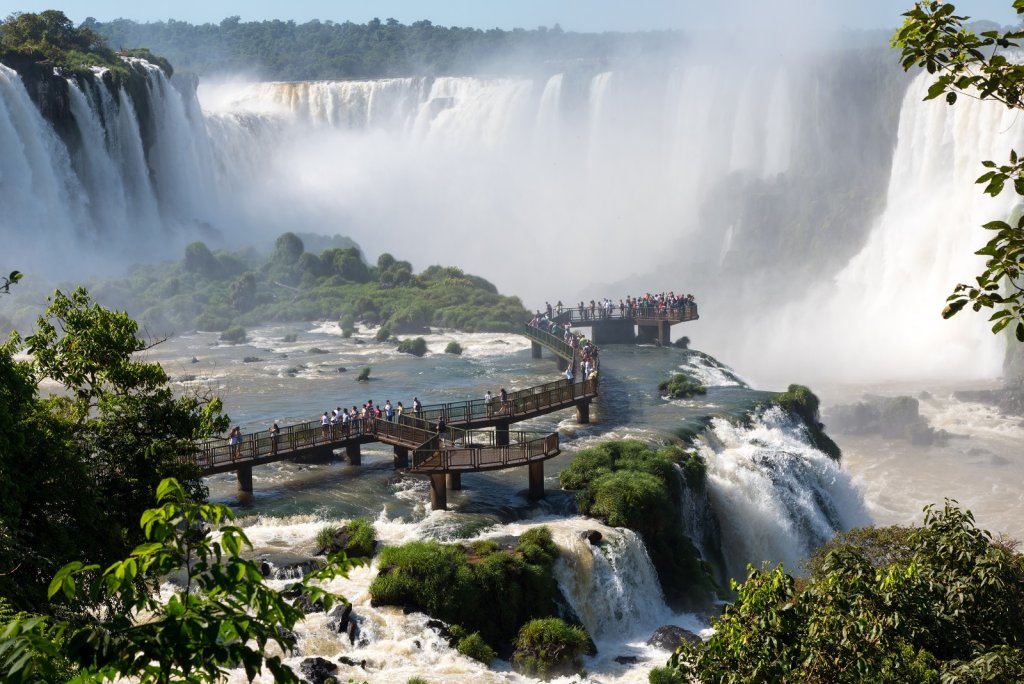
Today you will visit the Brazilian side of the waterfalls. Together with a professional guide you will drive over the Juan D. Peron & Trancredo Neves Bridge, which connects the cities of Puerto Iguazú (Argentina) and Foz do Iguaçú (Brazil). You continue your journey over the Las Cataratas Avenue to Foz do Iguaçú National Park, one of the biggest flora reserves of Brazil. You will walk along the Brazil side of the waterfalls and have a terrific panorama view on San Martin Island and the impressive waterfalls of Bozzeti, Two Sisters, San Martin and the Three Musketiers. (Half day, regular).
After the tour, transfer to the airport where we take a flight to Buenos aires
-
- GENERAL INFO BUENOS AIRESday 1/1
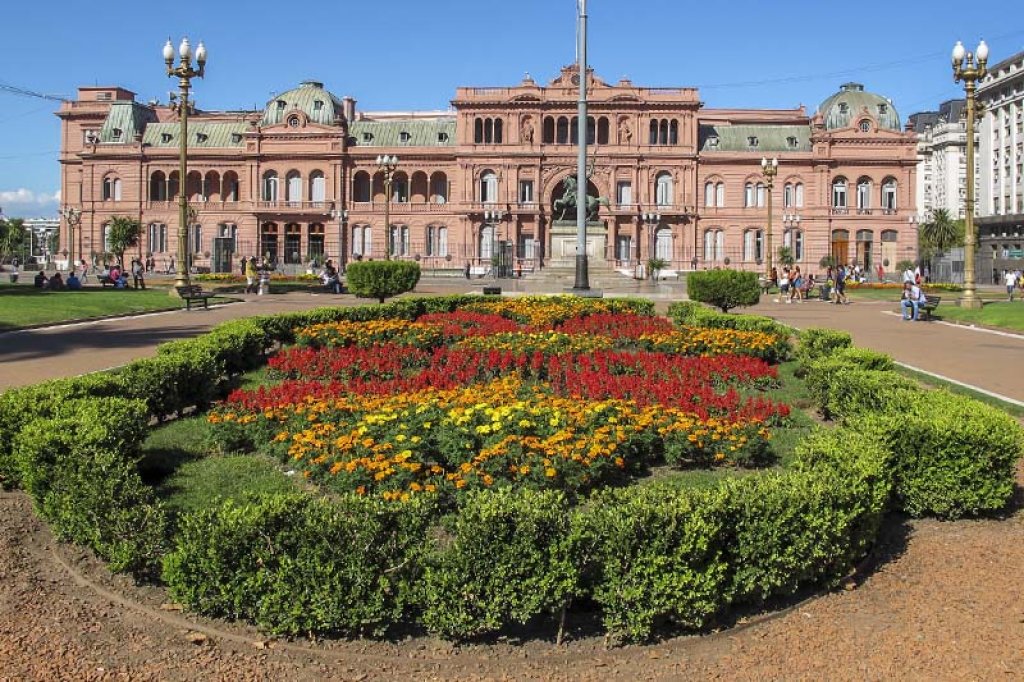
Buenos Aires is probably the most European of South American capitals. A mixture of colonial, neo classic and modern architecture will amaze you every time you walk around its charming streets in the neighborhoods of San Telmo, La Boca, Palermo and even downtown. Portenos provide the atmosphere for a great combination of day and nightlife which can be felt in every single of the cents of restaurants, pubs, bars and night clubs; with all types of international dishes (including the world known argentina beef that is said to be so tender that can be cut with a spoon) and music, from the traditional tango to international deejays performances. Buenos Aires, the base place to visit Patagonia and the rest of Argentina, can easily be labeled as an ideal city for independent travelers, especially when it comes to talk about prices. Art, history, shopping, football, dining, fashion, tango… Welcome to Buenos Aires.
Day 17 :: 18/08/2026
-
- CITY TOUR BUENOS AIRES - SHARED SERVICEday 1/1
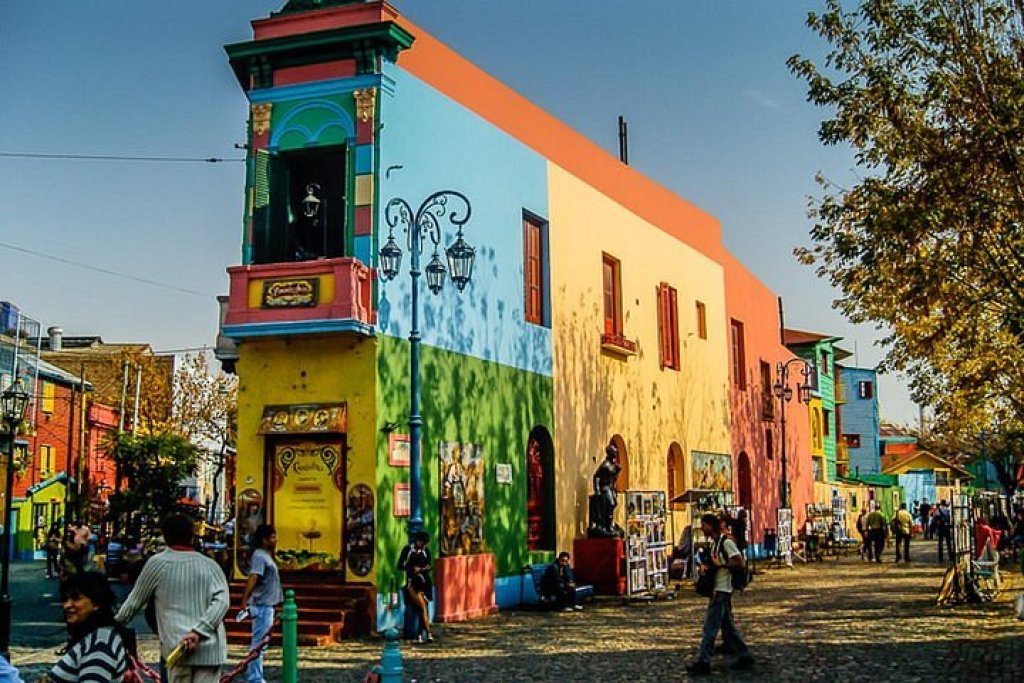
This tour visits the most important spots in the spectacular city of Buenos Aires. At the first stop, you will discover the history of “May Square”, the site of the most important events of Argentinean history since its foundation, where you can also see the most emblematic buildings. Then, enjoy May Avenue and roam through the oldest residential neighborhood in Buenos Aires: San Telmo. Walk along its cobble-stoned streets and discover its antiques shops and picturesque buildings. Live and feel the original Tango in the neighborhood of La Boca: walk through “Caminito Street” and enjoy the dancers and souvenir shops. See the mythical Boca Juniors soccer stadium. Contemplate the modern part of the city at “Madero Port” and its exclusive docks, full of nice restaurants and skyscrapers. Move on to see Palermo and its most exclusive residential area before finally arriving at Recoleta.
-
- DINNER & TANGO SHOW AT LA VENTANAday 1/1
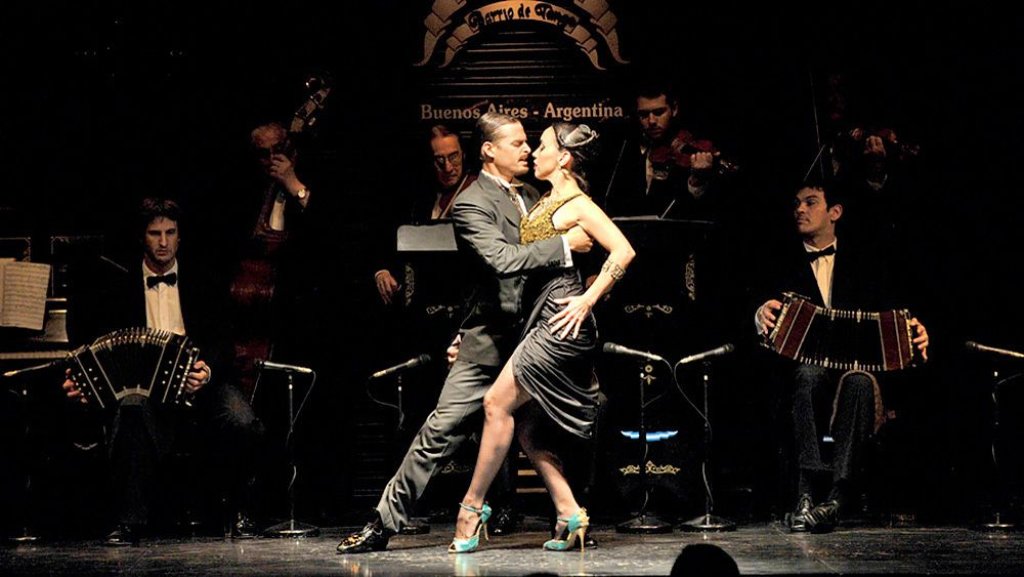
In the very heart of San Telmo (almost on the corner of Balcarce and Belgrano) , this historic restored tenement-house (known as conventillo) is a traditional example of the old city's culture.
The premises of La Ventana take you on a trip to the olden days in which it used to be a conventillo. The interior creates the ideal setting for a unique experience which includes 32 performers, two tango orchestras, an Argentine folk music group, dancers and singers. If additionally booked you may experience an introduction to the tango music and dance or a wine tasting prior to your dinner. There is a menu consisting of national and international cuisine and an exquisite selection of Argentine wines. Afterwards you will enjoy a spectacular show including tango, folklore, music, dance and many many famous tango songs. A night to remember.
-
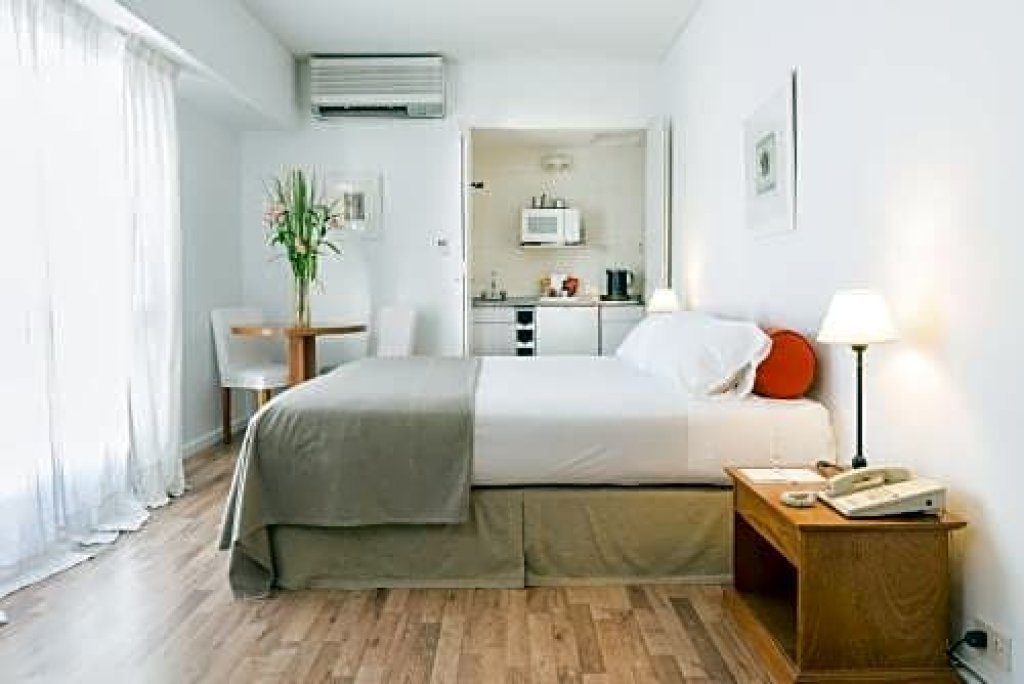
DOUBLE STUDIO ROOM
LOI Suites Esmeralda
Day 18 :: 19/08/2026
-
- General infoday 1/1

End of our tour and transfer to the airport for your international flight, after a fantastic tour tour through four countries !
What to bring with you
* We advise to travel as light as possible, around 15 to 18kg a person, we prefer a backpack or travel bag, we don’t like suitcases while they are hard to travel with in local transport and buses.
* Clothes, in this tour we go from the coast to the highlands, in June it’s Winter, so it can be cold at night and at high altitudes, so be prepared for cold and warm weather, good walking shoes, sunscreen, waterproof clothing, alarm clock, lip salve, personal medication, travel dictionary and don’t forget, if there is something you miss, you can always buy it cheaper in Peru! Don’t forget money and your passport!
Nota about Luggage/ Bring a small backpack with you
* if you go for 2 days to the islands of titicaca, leave big luggage at reception of hotel in Puno and travel with small pack for 2 days 1 night
* if you go to sacred valley and Machu picchu, leave big luggage at reception in Cusco, and travel with small pack, because big luggage's are not allowed on the train.
* When you have a jungle tour in Puerto Maldonado, You have to leave the big luggage, safe at the office of the jungle lodge in Puerto Maldonado, and travel with small pack for 3 or 4 days. Boats are not big enough for big luggage, and like this you avoid insects enter your luggage.
Shared group excursions
*For all the shared group excursions, you will be picked up from your hotel, but at the end of the shared excursion, you will be dropped off at a central point and walk to your hotel yourself, or take a taxi.
Money
* We advise to bring with you, pocket money, in a combination of travel checks/ cash and credit card. This money is for the cost of the excursions and the meals in the restaurants, also some money for souvenirs, this is just an indication of what you might spend, everyone is different!
* The money in Peru is the Nuevo sol, Bolivia is Boliviano, Argentina is Peso. The EURO is widely accepted around Peru and Bolivia; you better bring around 150 USD to pay the excursions /airport tax and entrance fees, the rest in Euros. In Argentina you better bring more Cash USD , because its not possible to withdraw USD.
* Credit cards like Master card & Visa are widely accepted, everywhere we will go has ATM machines. To pay by credit card most of the time 5,5% extra charge
* No visa is necessary for countries of Western Europe /Asia/North or South – America/Australia/New Zealand or South Africa. With a valid passport the tourist card allows you up to 90 days in Peru.
Electricity
Peru and Bolivia have 220V, you need an adapter
Bargain
At markets, and tourist shops you always have to bargain the price down
TIPS
Porters, cook, drivers, guides expect a tip. Peru and Bolivia are tipping country's. But not obligated ! If the service is good, you give tip, if not ,,, no. Just give what you feel it,s worth for you. Just indication , Guide 2 to 3 Usd a day each person ( trekking guides some more ) drivers 1 to 2 Usd a person full day. In the restaurants +10 % above the bill
New each person is obligated to let take a copy or scan of his passport and entree stamp in Peru. We need this to show national tax offices. If we don,t get this copy, we are obligated to charge 18 % government tax extra. This 18 % tax also aply for clients who stay longer than 30 days in 1 time in Peru.
Climate
The Andes mountains have a lot of influence at the climate in Peru. The coast is one big dry desert, the Andes have high temperatures in springtime/daytime if the sun shines, in the evenings it can be cold. The best time to travel is dry season, from May till October. The temperatures are some lower, but the sky is mostly clear with less rain. But be prepared, showers can happen all year around! In Argentina the best time to go is from November to March.
Medication
Altitude sickness can happen to anyone, but after 2 days you should get used to the altitude. You might feel some headaches, but we climb slowly. PS: People who have heart or lung problems need to consult your doctor before travelling to high altitudes. Peru doesn’t ask officially vaccinations, exception for Manu: for Manu and in the jungle you have to take the yellow fever vaccine. Also Bolivia asks for proof of your yellow fever vaccine to enter the country. We advise that you take some vaccinations such as: Hepatitis A & DTP (diphtheria, tetanus, polio); you have to start taking these vaccinations about 6 weeks before departure. Also don’t drink tap water! Fit for travel Tropican instute
General
South America planet wants you to enjoy your holiday of a lifetime with complete success. Please read the following conditions carefully as it is your contract with South America planet. We don’t want to worry you, but we like to be very clear! Because of the adventures character of this tour, some unexpected circumstances can appear. That’s why we might have to change the program or parts of it. South America planet does everything to follow the booked program, but it can appear that for example, roads are not possible to drive because of heavy rain, buses break down, local flights are cancelled or are delayed or strikes of all the transport. We only change the program to guaranty the safety of our clients, and in communication with the client. We reserve the right to change the program before or on the day of the tour like, day schedules, hotels, transport or excursions. The changes in the program happen mostly in conversation with the client, but South America planet always have the final decision. If there are some changes before departure, then everybody of the group gets an email with the changes clearly indicated. The extra travel or hotel costs are for the members of the tour. In normal circumstances, you always follow the official program. Our prices do not include, international flights, meals not specified in your itinerary, personal expenses, personal insurance, and tips. South America Planet will not pay compensation if forced to cancel or change your tour because of war, threat of war, riot, civil strike, industrial dispute, terrorist activity, natural or nuclear disaster, fire or extreme weather conditions, epidemics or health risks, technical or maintenance problems with transport, closed or congested airports or ports, changes imposed by re-scheduling or cancellation of flights by airlines, over booking, the alteration of airlines or aircraft types, or similar events beyond the control of South America planet. The client is also responsible for personal belongings. Clients undertake the tours, treks or expeditions, featured in our programs, at their own risk.
Travel information
This information is part of the contract with South America planet. Read it well before booking! Clients must be in possession of, and are responsible for arranging a valid passport. Information about these matters or related items (climate, clothing, baggage, etc) is given in good faith but South America Planet cannot be held responsible for any of this information.
Changes and extension possibilities
* It is possible to arrive earlier, also to depart later. This you have to tell us in advance together with your reservation, so we ca arrange something for you.
* This is just an example and we can make some changes wherever you like!
Insurance
Clients are obligated and responsible for ensuring with adequate cover for the full duration of the tour in respect of medical expenses, injury, death, repatriation or cancellation. It is our policy to check the validity and cover of your insurance policy and we hold the right to refuse travel to anyone whose insurance does not satisfy these criteria. We have an office in Peru/Cusco where there are always people working and its always possible to contact them 24 hours a day, 7 days a week for emergencies. They know their country better than we do and have the best contacts! We have 2 offices in Peru, Cusco and Lima.
NEW
A new law requires that minors staying in hotels and other lodging establishments have to be accompanied by a parent or an adult that is officially responsible for them. In the latter case, the adult has to be able to show official documents. With this law, the government aims to protect underage persons from any type of sexual exploitation. We share this news with you because your clients traveling for example with their grandchildren or children's friends may need to take additional measures.
Cancellation
Should the client wish to cancel, cancellation charges will be imposed. These are calculated from the day the written notification is received by South America planet.
The charges are shown below:
56 or more days before departure: 15% deposit
56 to 42 days before departure: 30% of total price
28 days to 14 days before departure: 75% of total price, 14 days to 7 days : 90% of price, less than 7 days: 100%
In addition to the cancellation fees mentioned above, the full insurance premium is also payable. We strongly recommend that full insurance is taken out, which includes cover, under certain circumstances, against the loss of deposit or cancellation charges.
Keep in mind that train tickets, Inca trail and flight tickets are never possible to be refunded.
Nota/ In Nazca if your weight is more than 95 Kg, you are obligated to buy a second seat in the small aircraft over the Nazca lines.
Environment
We only leave our mark and travel with respect for nature, but also for local customs and traditions. Protecting and preserving nature is everyone's job. Recycle where necessary, limit the use of water and electricity. Do not leave plastic, paper and other debris, recycle them and designated collection points.
Do not print this program, use it on your Ipad or mobile phone, to save paper and trees.
Enjoy your tour!